Tanzania
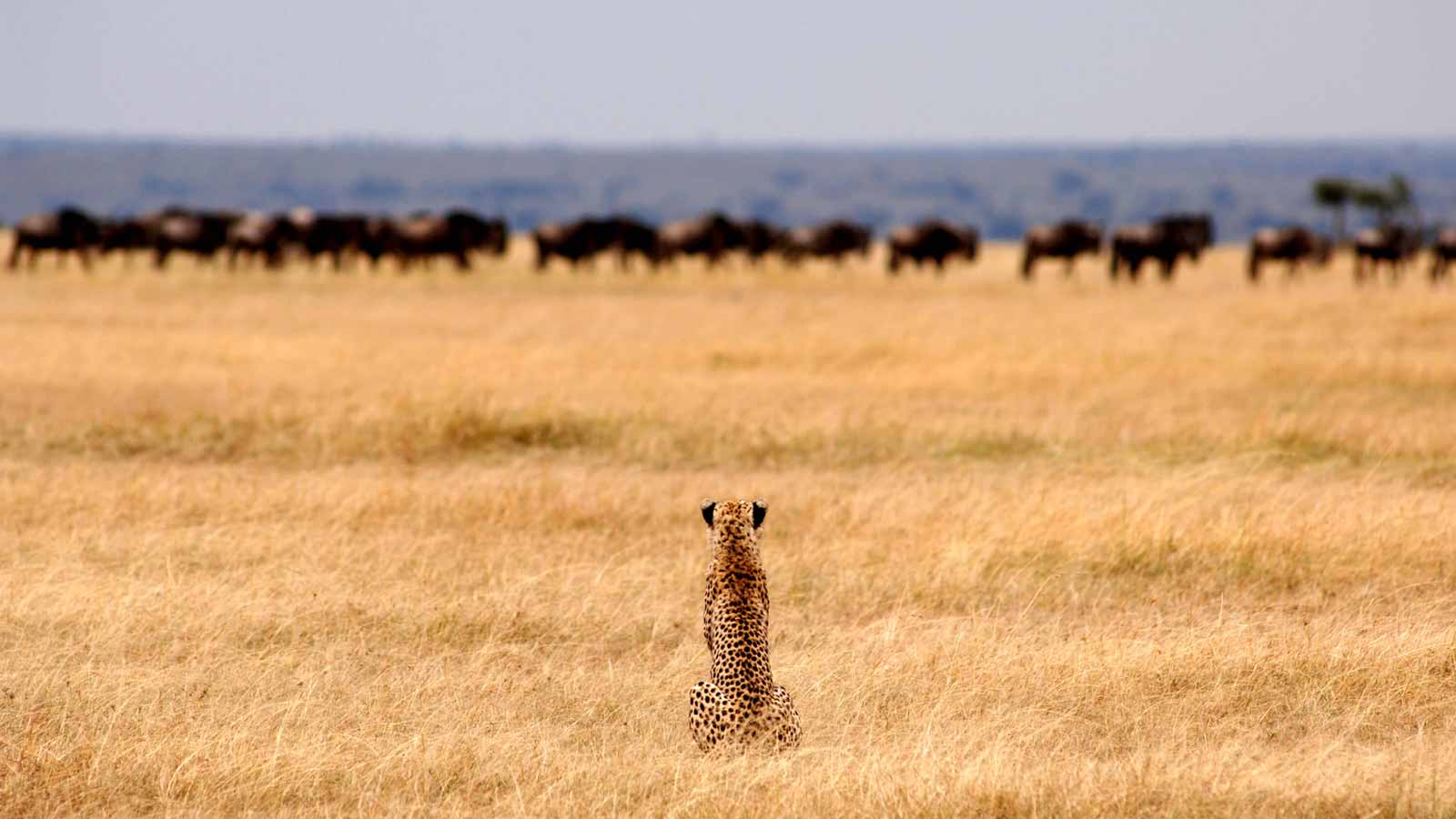
Tanzania was our first safari destination, and - shamelessly - it will always be our favourite! Its jaw-dropping showpieces include the largest herds on the planet and the highest concentrations of predators in Africa, the largest volcanic caldera at Ngorongoro, Kilimanjaro, Africa's highest mountain, the endless plains of the Serengeti, the historic shores of Zanzibar island... the list goes on.
A bit about Tanzania; Background
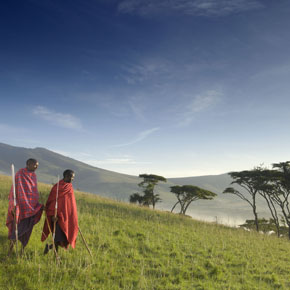
The United Republic of Tanzania and Zanzibar, was formed under Julius Nyerere in December 1963; bringing together over 120 different ethnic groups, and introducing Swahili, the language of the monsoon coastal traders, as the national language. With a national language and a national dress… the kanga, the people of Tanzania are trying hard to rise above corrupt African politics and maintain a stable, democratic trajectory.
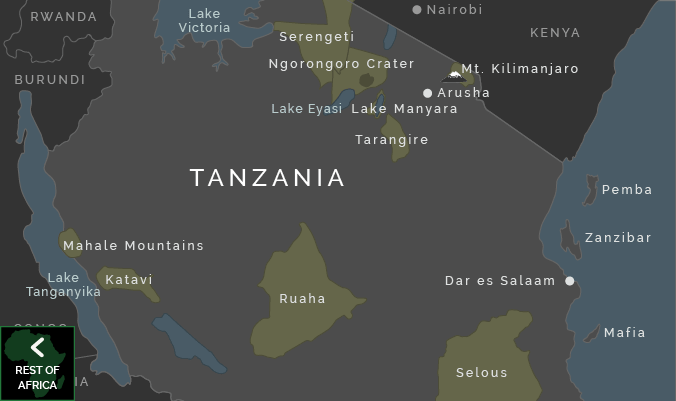
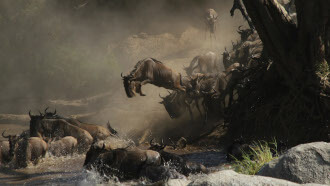
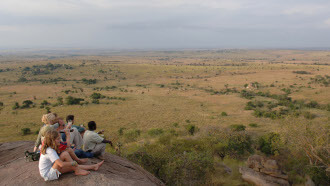
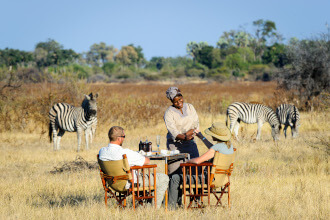
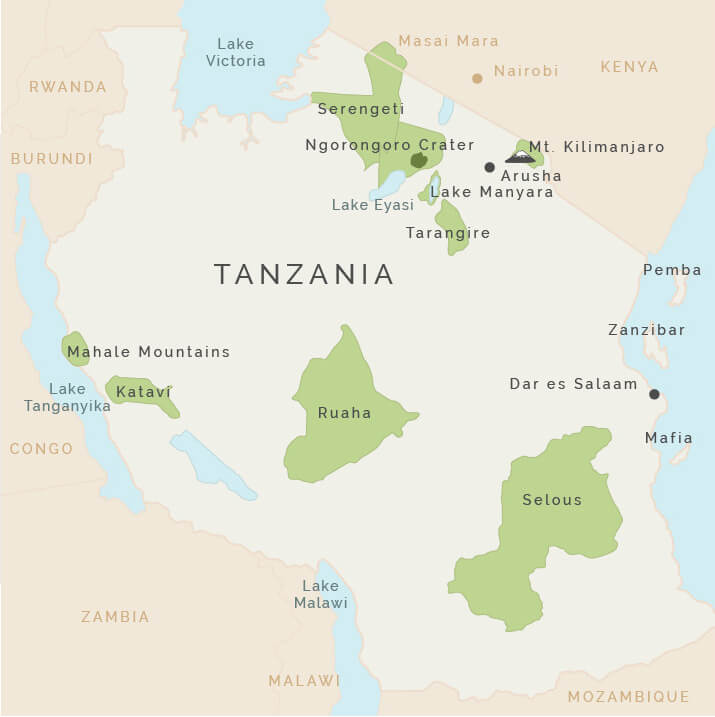
Tanzania's National Parks Over one third of Tanzania’s landmass has been set aside for conservation, and the range and variety of these National Parks, conservation areas, game reserves and marine parks generates enough wildlife interest for a lifetime of safaris here! The massive landscape varies dramatically from the coast to inland parks, mountains, lakes or savannah. The world-renowned Serengeti National Park alone is equivalent to the size of a small country, and part of a much greater wildlife conservation area, known as the Northern Circuit, the realm of the The Great Migration. The combined landmass of the interlinking conservation areas and reserves provides succour to millions of wildebeest and herds. Those with less time to travel and explore, or anyone seeking a personal, luxurious safari experience in a smaller lodge, should look to safari options in the South and West. Historical Interest Tanzania has a proud and impressive history which may be explored in the present; the earliest recorded footsteps of hominoid man at Oludvai Gorge, in the Ngorongoro Highlands, bear witness to the very beginnings of mankind, and the ‘Swahili’ style of the coast is the legacy of ancient dhow traders from the Arabian coast settling, with their sultans and their culture and style. The wooden boats with sewn sails remain iconic of this Indian Ocean, and the islands of Zanzibar and coastal towns are testament to the historic past. Best of Tanzania; When to Go With the long rains prayed for in April and May, and a very hopeful dream of short rains in November, the best of Tanzania is really any time other than these months. In the weeks following the rains, the country is less humid and gloriously beautiful, with wildlife spread blissfully across the plains. But towards the end of the dry season, as the water sources diminish, wildlife gathers in dangerously limited hotspots, guaranteeing you a spectacular pagent of predatory life. These dry months of late summer and through Christmas get booked up well in advance. Tanzania's 'Northern Circuit' provides unique wildlife viewing. Safaris here watch the pagent of wildife across the fertile, volcanic plains of the Serengeti, and explore areas such as the Ngorongoro Crater and highlands, taking in the glory of the Great Rift Valley rising over Lake Manyara and possibly Tarangire, depending on the season.
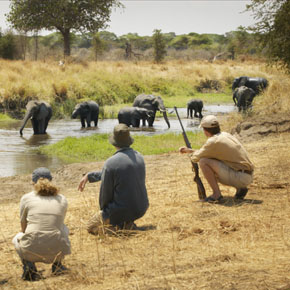
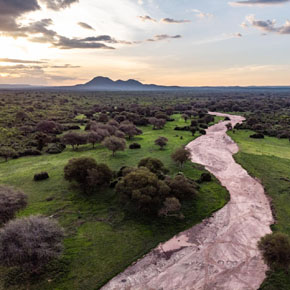
Tanzania's south and western parks do not have the acclaim of the north, but provide a varied and unspoilt safari playground, with excellent walking and guiding. Parks range dramatically from the green, river delta of the Selous, to the arid expanses of Ruaha, from the wild safari lands of Katavii to the shores of Lake Tanganyika, where the woodland walking trails of Mahale are home to one of Tanzania's chimpanzee populations.
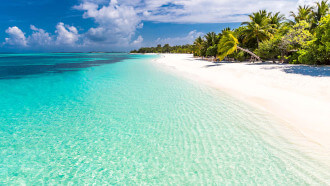
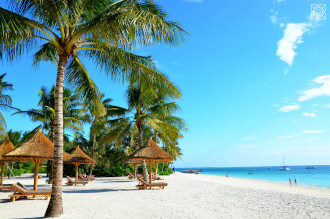
Zanzibaris a heavenly Indian Ocean archipelago, studded with palm trees and fringed with deep coral sands. This rural Swahili island is historic and culturally fascinating, and its striking ocean views are gloriously beautiful. There are some wonderful small hotels on magnificent beaches, providing as much or as little as you want to do, and the combination of its beaches with time exploring the historic Stone Town is a winner
Tanzania's coastline is dotted with various possibilities for beach respite, with the finest being just a short flight from Dar es Salaam, at Ras Kutani. Alternatively, there are great island beaches at Mafia Island, Lazy Lagoon near Bagamoyo, or Pemba Island, sister island to Zanzibar.
The cloud-swathed peaks of Africa’s highest mountain inspire climbers of all ages and abilities. This magnificent, still partially ice-capped peak crowns fantastically lush volcanic slopes, with plenty of wildlife interest along the lower forest trails. Climbs can be arranged up a variety of different routes, and with various options for accommodation. It is worth having the time to enjoy the climb and acclimatise. Nearby Mount Meru, Africa’s fifth highest peak, is a 3 or 4 day round trip.
Tanzania featured lodges:
Mahale Mountains
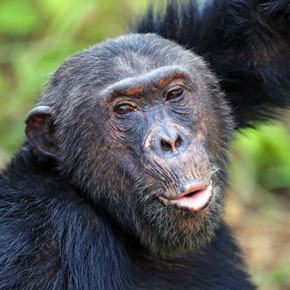
Greystoke is a 'nowhere else in the world' place. A 'nothing touches this' spot. On the shores of lake Tanganika and beneath the towering peaks of Mahale Mountains, this is a beautiful, bohemian hideaway, perfectly situated for watching chimps.
Serengeti, Mobile
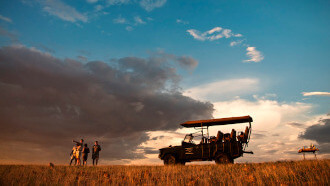
Alex Walker’s Serengeti Serian Camps are a mobile camp outfit similar in style to Nomad Tanzania’s Serengeti Safari Camp. With Alex you can find yourself immersed in the African plains, waking early to witness the sunrise, walking amongst the giant herds taking note of even the tiniest of absorbing sights, smells and sounds!
Selous
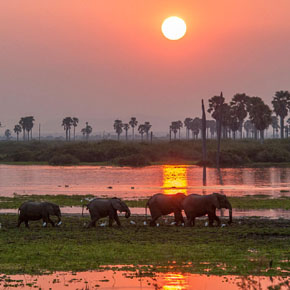
Selous Safari Camp is the best luxury tented camp in the Selous and up there with the best in Africa. The camp itself is of top quality and the service and guiding is as good as it gets...needless to say it is in an outstanding game area.
|
|