



Mobile camps in the Serengeti
Hand Picked Serengeti Itineraries
A GUIDE TO A SERENGETI SAFARI TOUR
The Serengeti regions explained | Where to stay
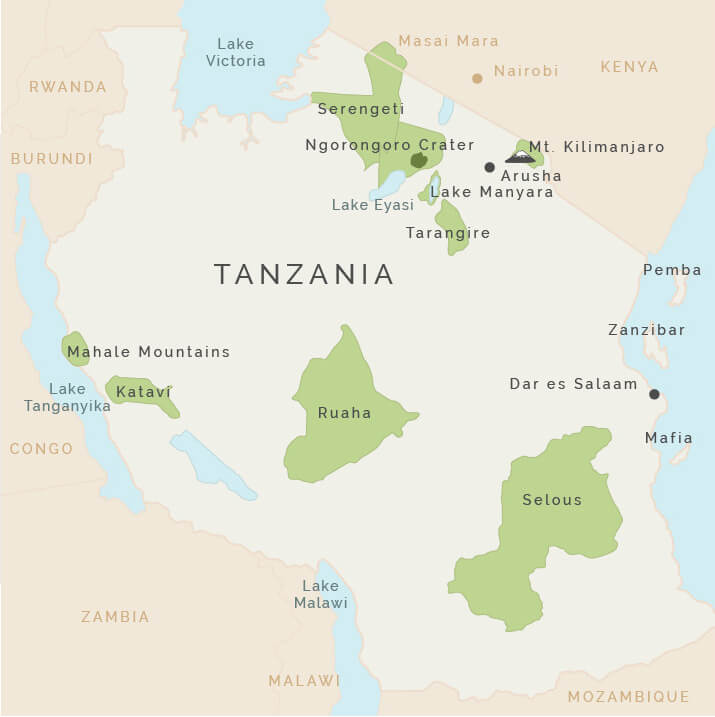
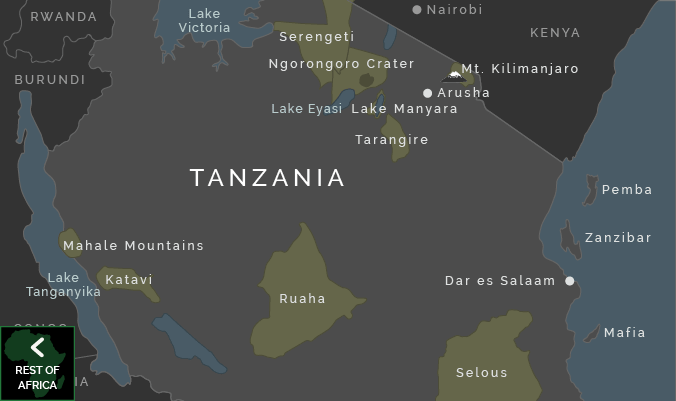
The park is absolutely huge. If you are intent on viewing the Great Migration then it is probably more critical to stay in the right region for your travel dates than to deliberate too long about the style of camp or hotel you are looking for. This park is so big that if you get the location wrong, you will not see the herds.
The Serengeti is therefore broadly divided into four distinct areas - the central Seronera Valley, the Western Corridor, the Northern Lobo and Kogatende areas, and finally the Southern Plains.
However, in the months between these, the migration is still a phenomenal sight to see! It can be tricky deciding where to base yourself/when to go to be in with the best chance of catching the big herds, so please do give us a call for a well informed run-down of the do’s and don’ts of a Great Migration safari. Although calling and chatting to an expert is by far the best way to get to grips with the Wildebeest Migration’s movements, we have tried our best on our Great Migration page, so please refer to this for a more in depth discussion.
For a summary of the Best Places to Stay in the Serengeti, please follow this link.
The Central Serengeti and the Seronera River Valley (good all year round)
The centre of the park is the Seronera region. Seronera is a network of river valleys that ensure year-round water supplies and keep the region incredibly rich in wildlife throughout the year.
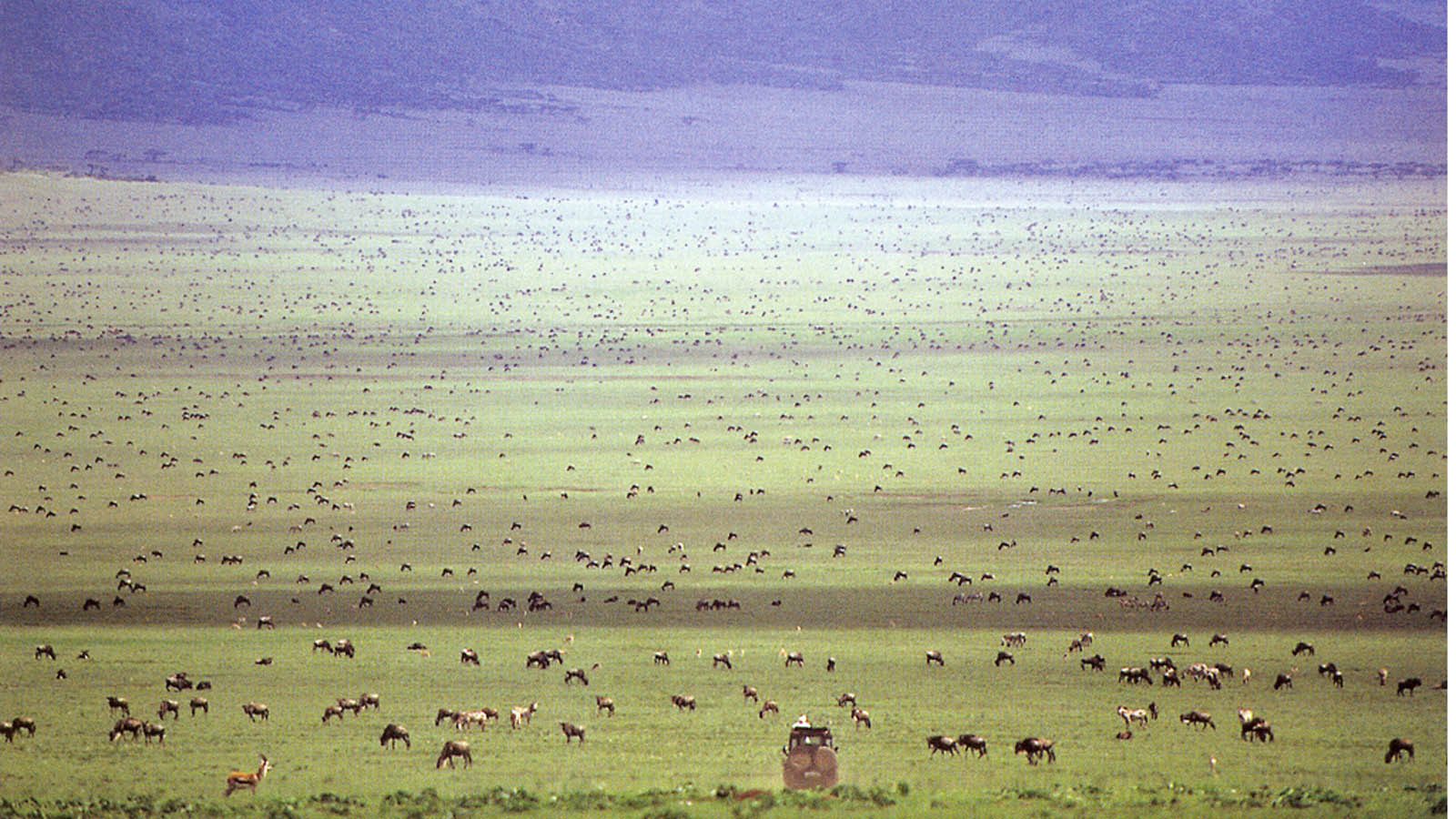
The area has phenomenal concentrations of game and sees the migration herds move north from mid April to late June and back south again in November and December. The only downside to this area is the number of large hotels and consequent volume of traffic on safari. We often use camps on the periphery of the area, giving guests the option of going into the busier area if they choose. Dunia Camp is our favourite camp here, along with the mobile camps when the migration moves through, specifically the Nomad Serengeti Safari Camp and Serengeti Under Canvas. For a more economical option, there is always Kati Kati. Many like the idea of The Four Seasons Safari Lodge because it seems a safe bet. However, our favourites are the more authentic and classic safari style options - if you are going to the Serengeti, you want to get an experience suitable for such an adventure!
The Western Corridor and Grumeti (May through to mid July)
The Western Corridor follows the path of the Grumeti River up towards Lake Victoria. This region provides superb wildlife action in May and June, when the migrating herds cross the crocodile-infested waters of the Grumeti. Although the Grumeti water is shallow, at this point camps such as &Beyond's Grumeti River Camp, Kirawira and Mbalageti come into their own. The two mobile camps that are particularly superb at this time of year are the Serengeti Safari Camp and Serengeti Under Canvas. To take your luxury stay to a completely new level, Singita's private Grumeti Reserves are unparallelled for unspoilt wildlife viewing and accomodation such as Sabora, Faru Faru and Sasakwa.
The North, Kogatende, Lobo and Lamai (July to November)
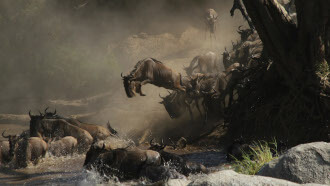
The northern reaches remain fantastically quiet and largely unvisited, due to their relative inaccessibility (a good 10 hour drive from Seronera) and lack of large hotels. The Kogatende area used to be cut off from the rest of the park, but in recent years this area has seen some of the best camps in the country spring up. This area is mainly used in extended driving safaris and in flying safaris to two superb permanent tented camps - Sayari Camp and Nomad Lamai. From July through to the end of October the migrating herds are resident here, and this is the finest place to see the Migration's river crossings as the herds often cross the Mara River daily. This region has been described as 'ultimate paradise' for keen safari buffs and is the best place for walking safari inside the park. All the mobile camps move up for here for the whole period: Nomad Serengeti Safari Camp, Serengeti Under Canvas, Olakira and Alex Walker’s Serian.
The Southern Short Grass Plains of the Serengeti (December through to March/April)
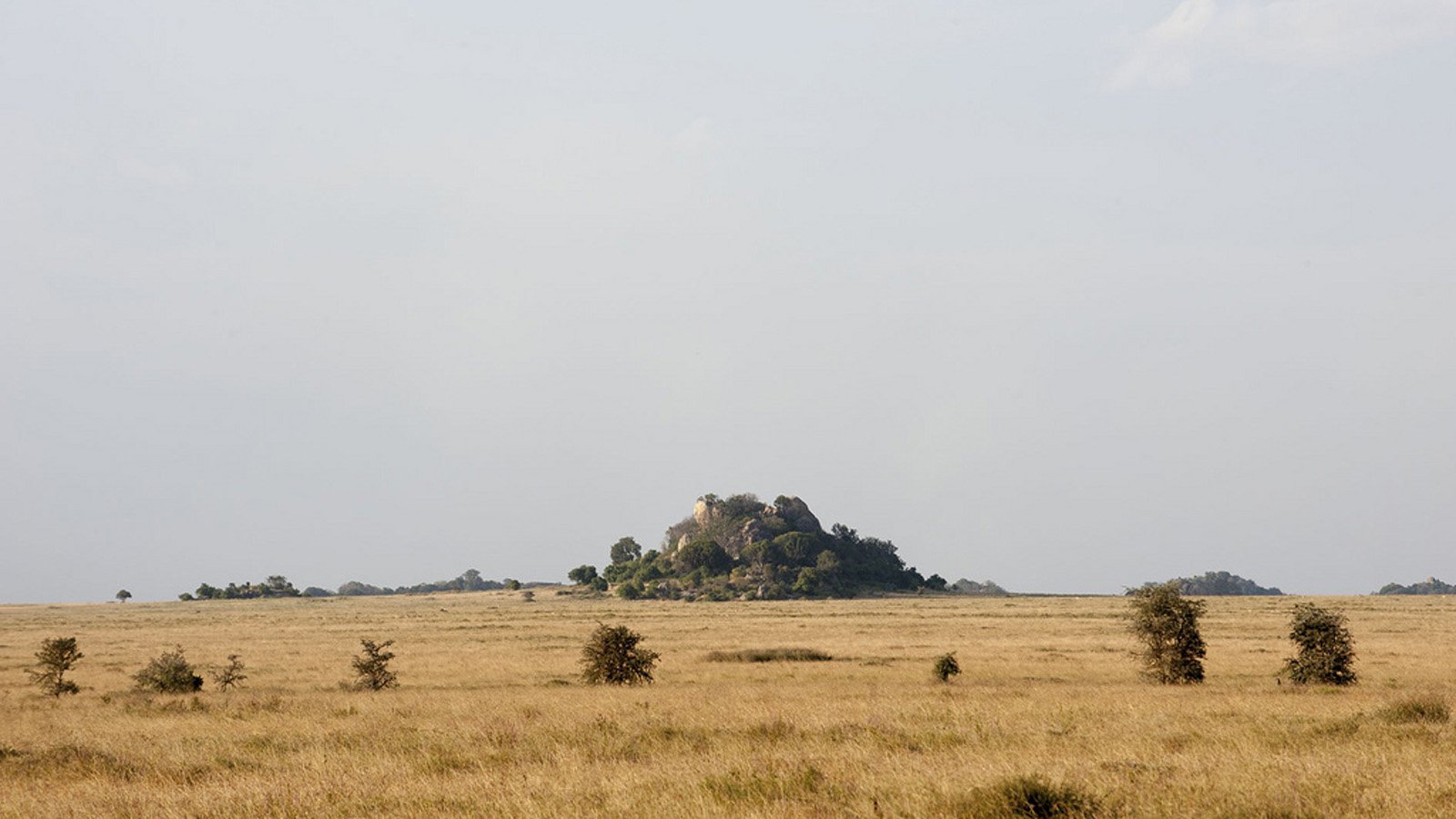
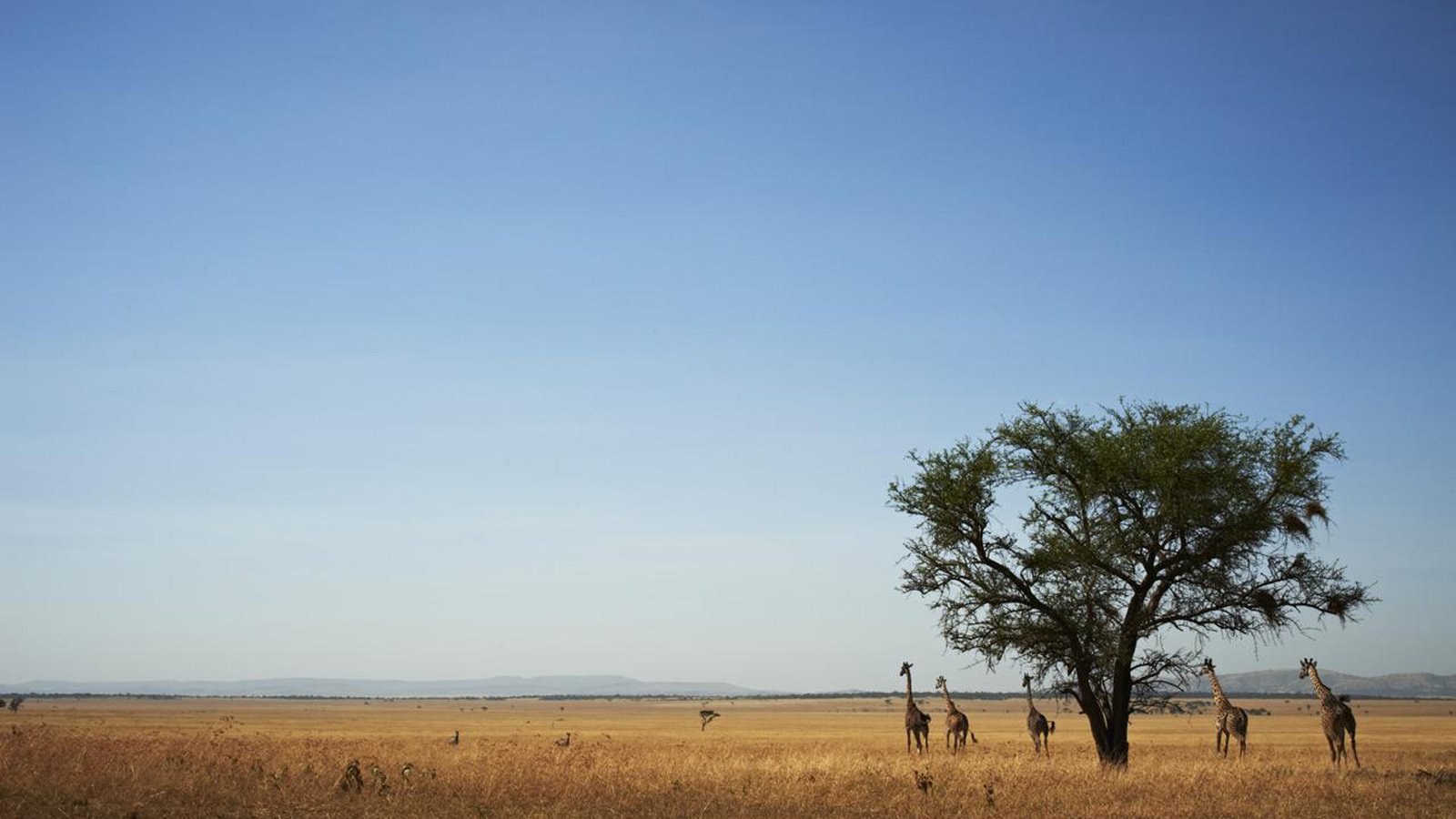
The southern plains are where the name of the park comes from, Serengeti, which in Maasai means "endless plains" - and this is exactly what you can find here. Vast grass plains stretch from southern Seronera into the Ngorongoro Conservation area. Outside the migration season, this area is not as good for game as the central Seronera region or the Western Corridor, but from December through to April the migration covers the entire area. February is a superb time of year to be here for the spectacle of the calving season, when 8,000 wildebeest are born every day for a two week period! The only two permanent lodges here are Ndutu Lodge and Kusini Camp, however, all the mobile camps move down to the area for the whole period. Alex Walker’s Serian is perfect choice for this area, being close enough to the migration and yet far away from the other mobile camps. For a more migration-intense location, Olakira, Nomads Serengeti Safari Camp and Serengeti Under Canvas work very well. For a summary of the Serengeti's mobile camps, please follow this link.
Serengeti Activities
The main activity is daytime game drives. No night safaris are permitted inside the National Park, but there are a number of lodges in the reserves adjacent to the Serengeti where night driving is available. Most notable are Singita's Grumeti Reserves, in which Sasakwa, Faru Faru and Sabora all offer night drives, as well as Klein's Camp and others located in the adjacent Loliondo reserve. There are no boating safaris in the area. Walking is possible outside the park, and a couple of camps in the far north of the park allow walking within the park boundaries. Alex Walker’s Serian is the only camp in Southern Serengeti area where walking is permitted.
Speak to us for the most up to date information on walking inside the national park as the rules change all the time.
Serengeti or Masai Mara Safari?
Only separated by the country border as you go into Kenya, nothing much changes from being in the Serengeti and Masai Mara apart from, well, being in Kenya! For the Migration, all year round the wildebeest are in the Serengeti but you can catch them in the Mara from July to October. For this time of year, also see the dramatic river crossings from the Serengeti side, but honestly, without quite as many tourists as in the Mara. It seems we would say this, but the Serengeti for the Migration trumps the Masai Mara.
More about The Serengeti:
While we try and make our website as comprehensive as possible, if you would like some more background information, have a read through the Cadogan Guide to Tanzania and Zanzibar - Serengeti Chapter, Seronera Chapter, Western Corridor Chapter and Lobo Chapter written by one of our director’s Annabel. The most recent edition was published in 2005 so some of it might be slightly dated but generally it’s as comprehensive as they come. If you need some more details then please see our blog post on why you should choose a Serengeti safari.
Client Reviews
Client Reviews
Lamai Serengeti - Reviews
The Nomad Lamai was great. The game drives were really good and we saw just about everything possible including wildebeests crossing the river (all got over safely and the crocs were nowhere to be seen), mating ostriches, rhinos and even a leopard tortoise!
Namiri Plains - Reviews
Absolutely unbelievable, i have been going on safari for 20 years and only ever seen a handful of kills, but at Namiri i saw 5 in 3 nights ! just the best !!!! – we will be back …
Alex Walker's Serian Serengeti North - Reviews
This was a mobile tent. Far nicer than we expected. Staff was friendly, knowledgeable, and accommodating. Food was very good. A great experience. Could easily have stayed longer.
M Goldsmith
Alex Walker's Serian Serengeti South - Reviews
This was one of the best safaris we've been on! The staff, guides, and rooms were fantastic!
Singita Faru Faru - Reviews
All three lodges (Plantation, Singita Mara, Faru Faru) for the safari expeditions were over the top (all fives by our reckoning) and provided a fine experience from all perspectives. Attention to detail and personal service were above and beyond. Animal viewing was exceptional and the guides were among the best we have enjoyed in our African trips.